
Featured article
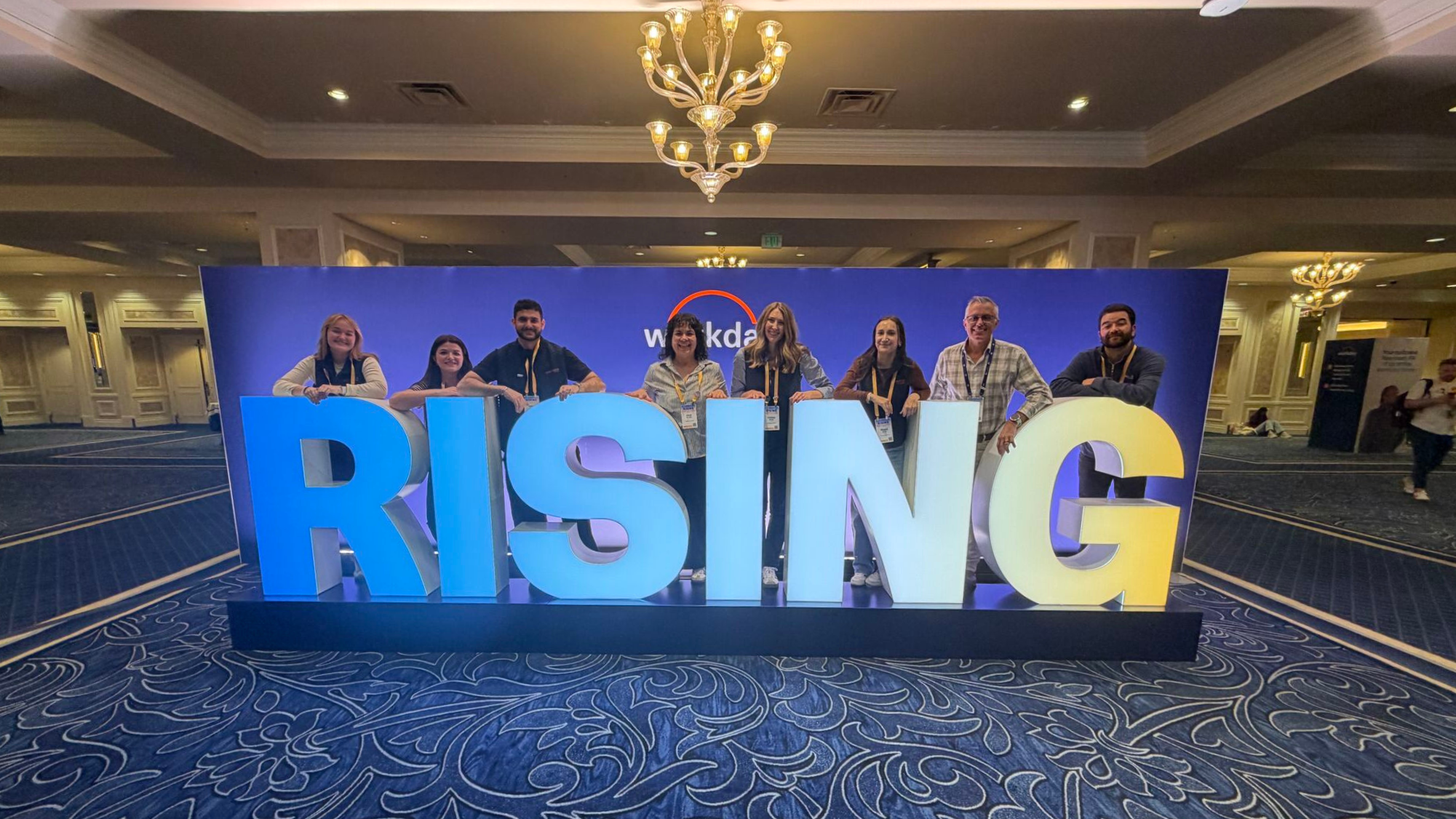
Workday Rising kicked off in Las Vegas, October 12-15, with CEO Aneel Bhusri describing the company’s push into agentic AI as a “re-founding.” Having reinvented HR and finance software for the 21st century and maturing into a Fortune 500 company, it was time for Workday to think like a startup again.
 5 min read
Workday Rising kicked off in Las Vegas, October 12-15, with CEO Aneel Bhusri describing the company’s push into agentic AI as a “re-founding.” Having reinvented HR and finance software for the 21st century and maturing into a Fortune 500 company, it was time for Workday to think like a startup again.

8 min read
Absence management wasn’t always as difficult as it is now. In the past, when an employee requested time off, a manager approved it, HR tracked it, and payroll adjusted accordingly. But things are more complicated now, with today’s patchwork of federal, state, and local leave laws; rising leave-of-absence rates; and the operational complexity that comes with multistate or hybrid workforces. Absence management is now its own discipline and carries real consequences when handled poorly.
Get more insights



Learn more about
OneSource Virtual
Explore our services or start a conversation to see if OneSource Virtual is right for you.


.svg)

.svg)
.svg)