
Featured article
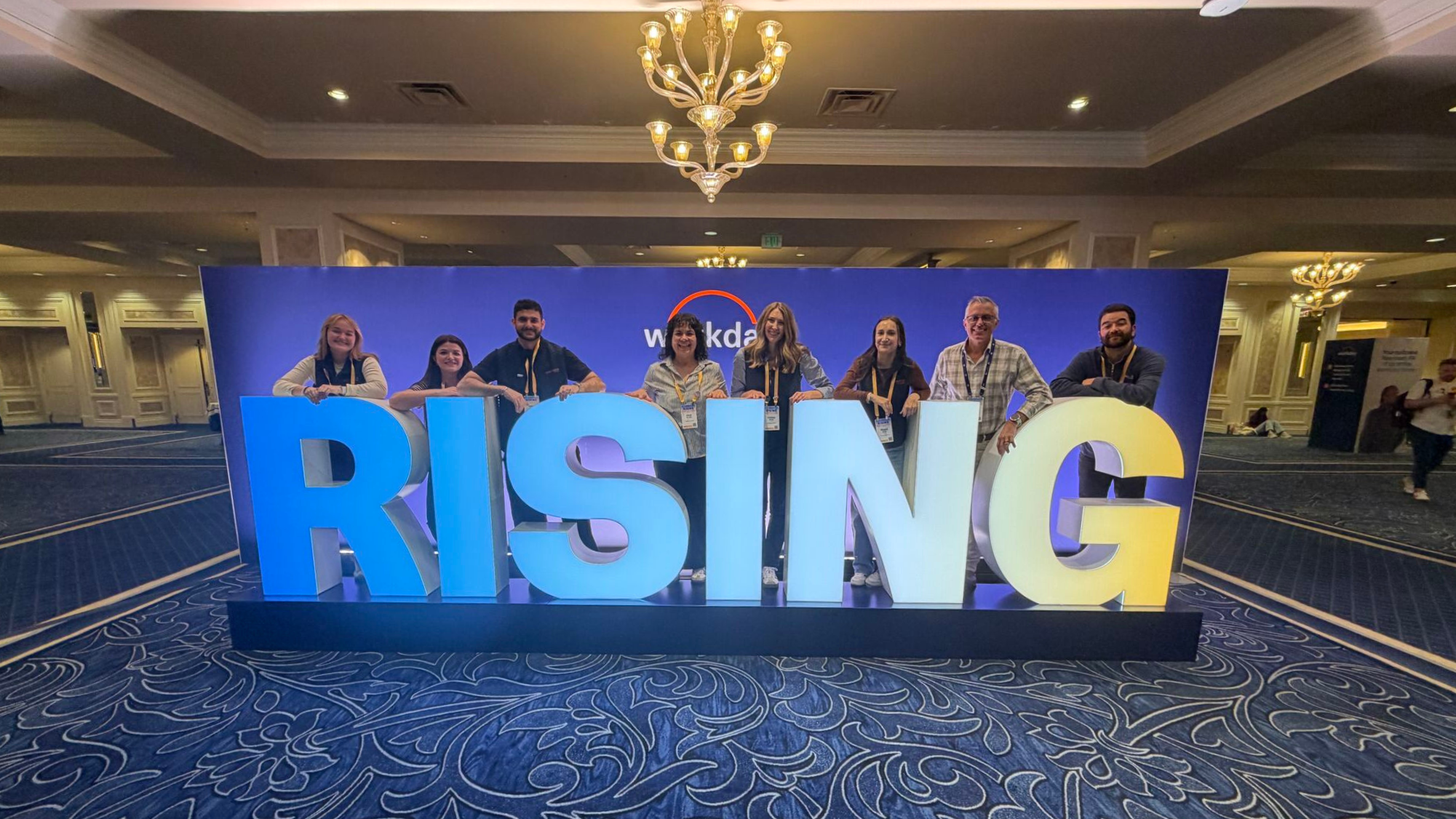
Workday Rising kicked off in Las Vegas, October 12-15, with CEO Aneel Bhusri describing the company’s push into agentic AI as a “re-founding.” Having reinvented HR and finance software for the 21st century and maturing into a Fortune 500 company, it was time for Workday to think like a startup again.

 6 min read
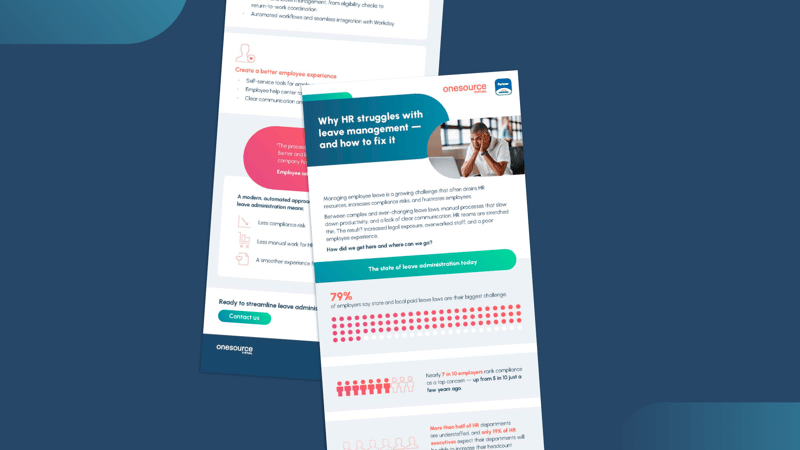
A leave of absence is an approved, extended period away from work that allows an employee to take time off without changing their employment status. Managing that process well means balancing employee support, business continuity, and compliance with federal, state, and local requirements. And the need is growing: 57% of organizations reported that more workers requested extended time off in 2024, with illness, injury, and mental health among the most common reasons, according to data from AbsenceSoft. For HR teams, the challenge is creating a process that employees can understand, managers can follow, and the organization can apply consistently.

7 min read
Employee leave is one of the most common HR processes, but it’s rarely as simple as approving time off. Different leave types, evolving requirements, and the need for consistent documentation can create administrative challenges, especially when information is spread across multiple platforms.
5 min read
Workday Rising kicked off in Las Vegas, October 12-15, with CEO Aneel Bhusri describing the company’s push into agentic AI as a “re-founding.” Having reinvented HR and finance software for the 21st century and maturing into a Fortune 500 company, it was time for Workday to think like a startup again.


6 min read
When companies move from an old ERP solution to Workday, it’s usually for a simple reason: they know their current setup could be better. Maybe their legacy provider has let them down too many times. Maybe their tech stack isn’t modern enough. Or maybe they’re working across too many vendors, with data spread across too many disconnected systems. Moving to Workday gives them a chance to bring more of their services and information into one place.

6 min read
Benefits management is one of HR’s most complex tasks. Your program needs to be strong enough to support talent recruitment and retention, yet building that kind of program can be time-consuming and complicated. Below are five of the most common challenges HR professionals face when managing employee benefits, along with practical ways to address each.

8 min read
Managing employee benefits is one of HR’s most important responsibilities, but it’s also one of the most challenging. Ensuring regulatory compliance, managing enrollments, answering employee questions, and overseeing vendor relationships all eat up time and resources — time that could be spent on more strategic work, like vendor negotiations and renewals.

8 min read
Absence management wasn’t always as difficult as it is now. In the past, when an employee requested time off, a manager approved it, HR tracked it, and payroll adjusted accordingly. But things are more complicated now, with today’s patchwork of federal, state, and local leave laws; rising leave-of-absence rates; and the operational complexity that comes with multistate or hybrid workforces. Absence management is now its own discipline and carries real consequences when handled poorly.


Get more insights

Learn more about
OneSource Virtual
Explore our services or start a conversation to see if OneSource Virtual is right for you.


.svg)

.svg)
.svg)