
Featured article
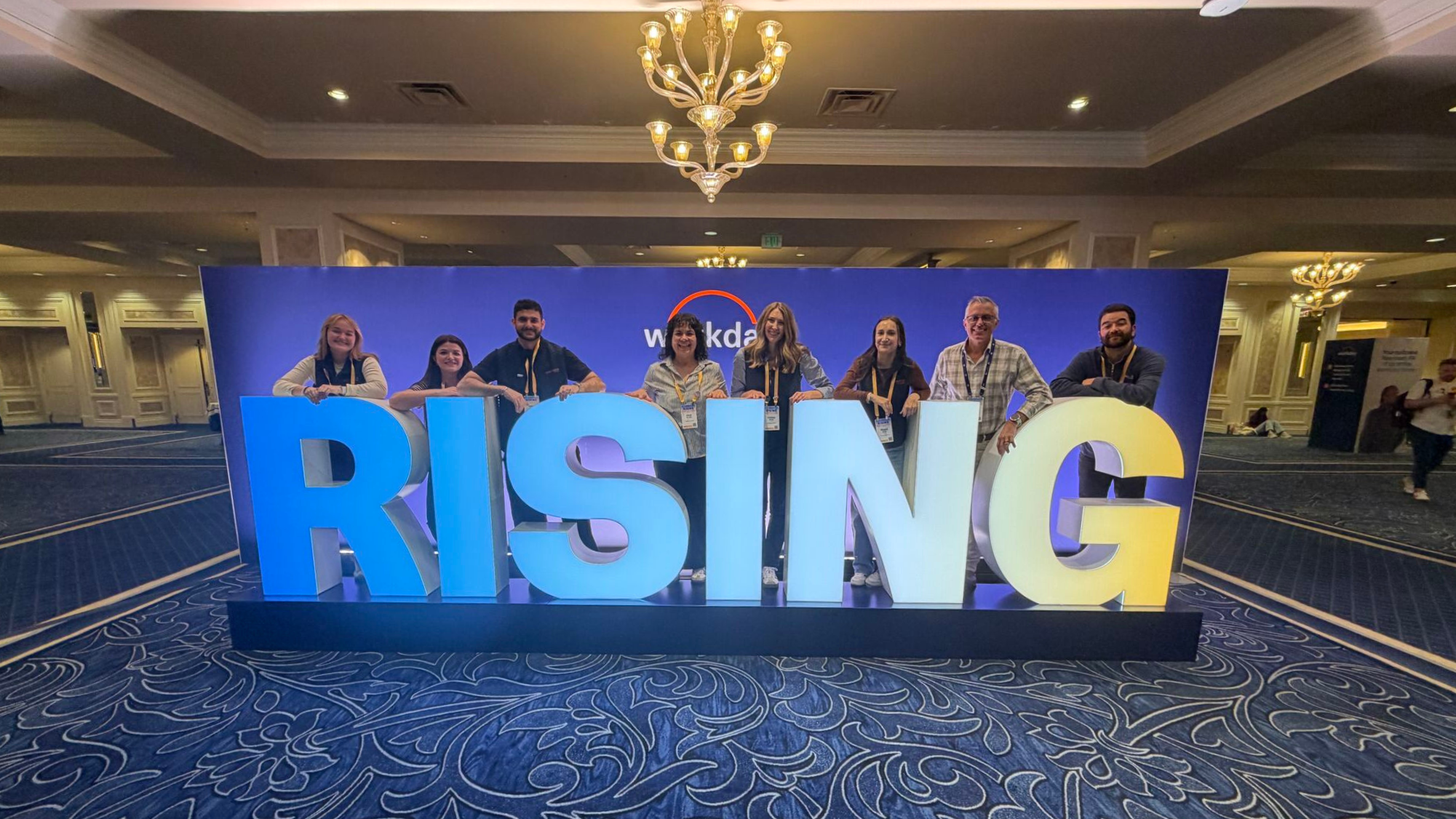
Workday Rising kicked off in Las Vegas, October 12-15, with CEO Aneel Bhusri describing the company’s push into agentic AI as a “re-founding.” Having reinvented HR and finance software for the 21st century and maturing into a Fortune 500 company, it was time for Workday to think like a startup again.


 9 min read
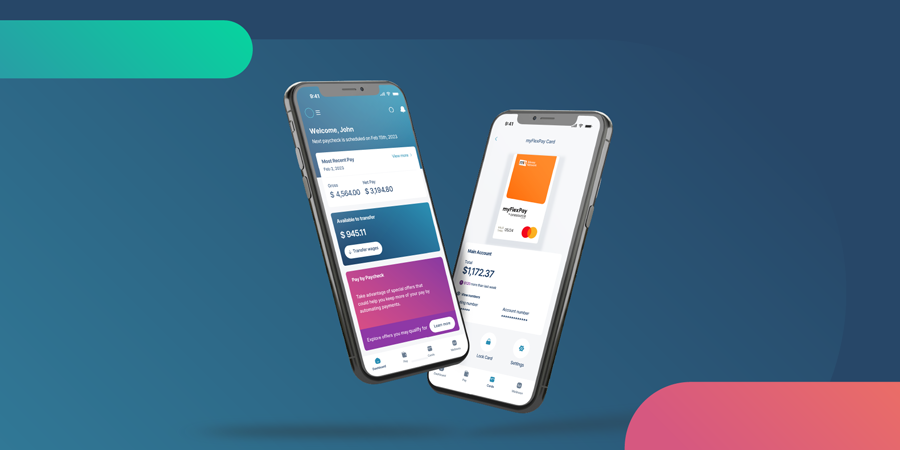
On May 15, Rachelle Dugan, director of payroll for Purple, joined OneSource Virtual (OSV) and Wagestream for a conversation on earned wage access (EWA). This solution for employee financial well-being, which enables employees to access a portion of their earned wages before payday, has exploded in recent years.

10 min read
We were recently joined by Wagestream and Purple for a webinar all about earned wage access (EWA). The discussion covered market trends, what to look for in an EWA solution, and the impact of flexible pay solutions on both employees and employers. Additionally, Rachelle Dugan, director of payroll for Purple, shared her experience implementing myFlexPay as an EWA solution for her employees. Hear Purple’s EWA story here.

9 min read
Thousands of global HR leaders gathered at Caesars Forum in Las Vegas, Nevada from May 7 – 9 for the UNLEASH America Conference & Expo 2024. Dubbed the “International Festival of HR,” this fast-growing event aims to redefine the future of HR and innovation, providing attendees with inspirational stories and groundbreaking technologies that shape organizational thinking.



28 min read
Talent retention has always been a hot topic for HR teams, but the events of the past four years have led organizations to revisit their strategies with greater frequency. The work world went remote in 2020. Gen Z entered the workforce shortly after. Organizations started rolling out a variety of return-to-office policies. Inflation and interest rates made workers more compensation-conscious.
.jpg)
13 min read
Are you tired of scouring countless "Top HR Trends for 2024" blogs, only to find yourself overloaded with an ever-growing list of trends to track? We completely understand. With so many voices clamoring for attention in the HR space, it's easy to feel overwhelmed and unsure where to direct your attention.
 Prev
Prev

Get more insights

Learn more about
OneSource Virtual
Explore our services or start a conversation to see if OneSource Virtual is right for you.


.svg)

.svg)
.svg)